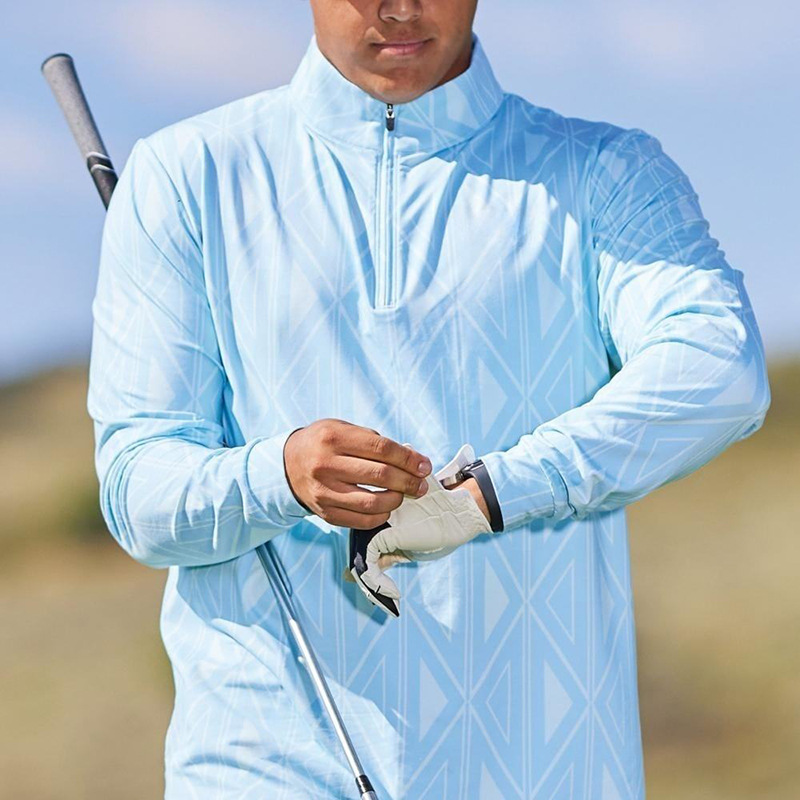
Welcome to Guangzhou Dora Garment Co.,Ltd
Why do custom T-shirts or polo shirts prefer to choose the screen printing?
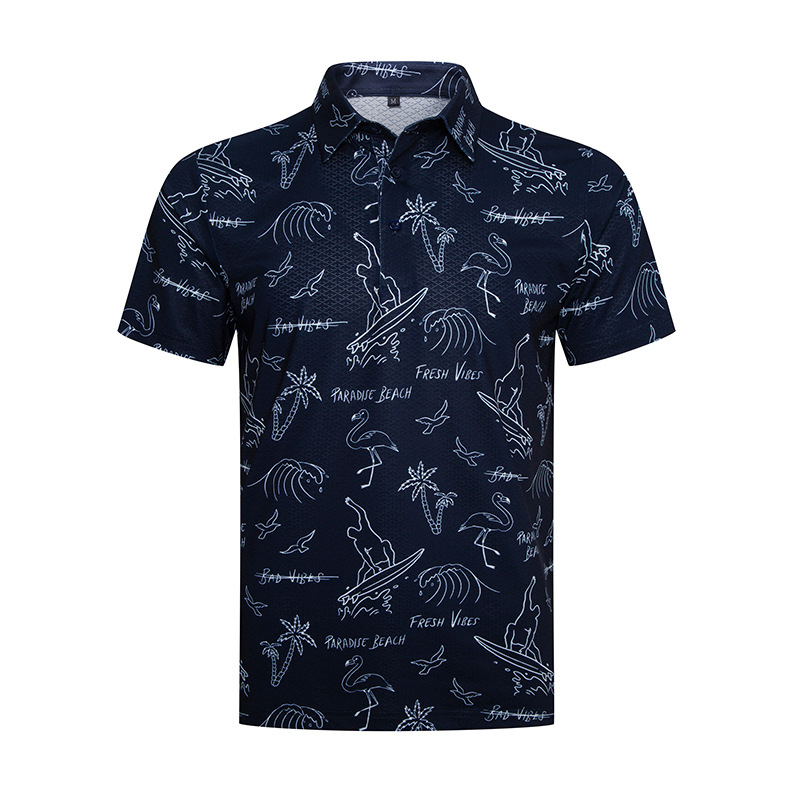
When ordering custom T-shirts or polo shirts in bulk — whether for sports clubs, corporate teams or retail resale — the choice of printing technology is key. Screen printing stands out for multiple reasons. Here we explore its history, advantages, process steps and global sourcing implications.
1. The Origins of Screen Printing
Screen printing has a surprisingly long history. In China, clip-printing and batik methods date back more than 2,000 years; by the Sui and Tang dynasties the technique evolved into the silk-screen process.
Today, this mature method remains widely used in apparel manufacturing worldwide.
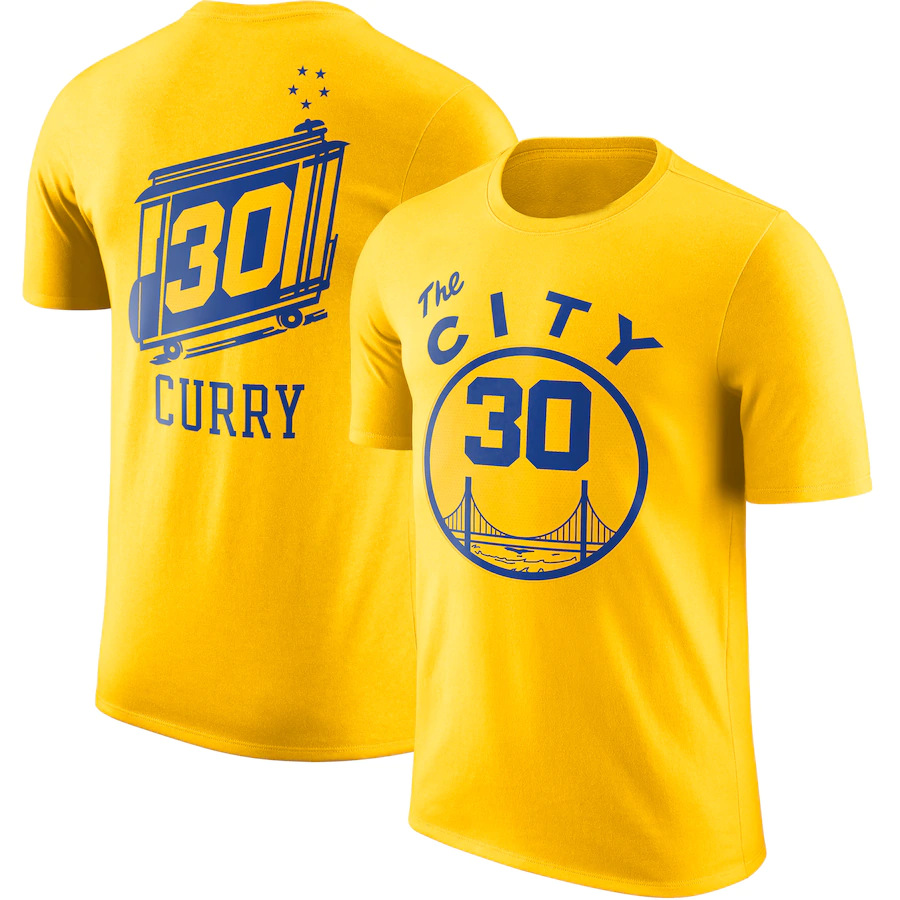
2. Why So Many Choose Screen Printing
Here are the core benefits for custom T-shirts and polos:
Large-volume suitability: Screen printing is ideal when you have bulk orders, as each colour plate is reused many times.
Lower cost per unit: After setup, the cost for each item falls significantly, making it cost-effective for bulk.
Bright, durable colours: The inks used in screen printing are vibrant and have good resistance to washing / wear.
Fast turnaround: For large runs with the same design, production can progress swiftly.
3. Typical Screen Printing Process for Apparel
Here’s a simplified breakdown of how it works for custom garments:
Film & screen plate preparation: For each colour in your artwork, a separate film and plate are made. The more colours, the higher the cost.
Ink mixing & setup: Using colour-cards, pigments are matched, ink is prepared and the screen mounted.
Proofing & registration: Garments are laid out precisely, registration marks set, the first colour printed, then subsequent colours added.
Final finishing: Ink is cured/dried, quality checked, and then items are packed for shipment.
4. What This Means for Global Buyers & Custom Apparel Suppliers
For your business — whether you are a supplier exporting to Australia, UK or beyond, or a club/organisation ordering uniforms — the implications are:
Fewer colours save cost: Since each new colour adds setup, sticking to 2-3 colours will keep bulk pricing attractive.
Consistency matters: Using reputable manufacturers with strong screen-printing capabilities ensures consistent quality across multiple sizes/units.
Lead time planning: Screen printing takes setup time; plan your order well ahead if you’re targeting seasonal events or launches.
Global sourcing advantages: Many apparel factories (for example in China, Southeast Asia) offer screen-printing capabilities with competitive pricing — useful if you’re exporting to markets like Australia, UK, EU.
Branding & customisation fit: For clubs, teams, or corporate gifting, screen printing delivers the bold visuals needed for logos, wording and branding.
5. When to Consider Alternatives
While screen printing is often ideal for bulk runs, there are cases where alternatives may make sense:
Very small quantity orders (say < 50 units) may favour digital printing or heat-transfer methods due to lower setup cost.
Designs with a very high number of colours or photographic gradients may be better suited for digital print or dye-sublimation.
Custom garments with very specialised fabrics or eco-requirements may need specialised print methods.
In summary, when you’re customizing T-shirts or polo shirts in bulk — whether for a golf club, team uniform, corporate group or retail stock — screen printing remains a reliable, cost-effective, and high-quality choice. By understanding its process, benefits and sourcing implications, you can make smarter decisions and communicate more confidently with your supplier or client.
If you need professional assistance with bulk custom apparel printing — especially for golf apparel, club uniforms or branded team wear — feel free to reach out and get a quote.